


Healing the Fourth Trimester: Understanding Recovery Beyond Birth
Bringing a new baby home is often described as one of life's most meaningful experiences, but it also marks the beginning of a significant period of physical recovery known as the fourth trimester.
The weeks following childbirth are a time of adjustment as the body heals from pregnancy and delivery while parents adapt to new routines, interrupted sleep, and caring for a newborn. Many women are surprised by the physical changes they experience during this time, from soreness and fatigue to swelling and the gradual return of core strength.
Today, more mothers are openly sharing their postpartum experiences, creating a broader conversation about recovery, self-care, and realistic expectations. At The Pink Room Shapewear & Wellness, we believe informed recovery starts with understanding the healing process and choosing supportive products that complement the guidance of your healthcare provider.
What Is the Fourth Trimester?
The term fourth trimester refers to approximately the first 12 weeks after childbirth. Although a baby has been born, the mother's body continues recovering from the many physical changes of pregnancy and delivery.
During this period, women commonly experience:
- General soreness
- Fatigue
- Swelling
- Vaginal bleeding (lochia)
- Abdominal tenderness
- Breast changes as milk production begins
- Hormonal fluctuations
- Gradual changes in posture and core stability
Every recovery is unique. Factors such as the type of delivery, overall health, and individual healing all influence the postpartum experience.
The Postpartum Blur: Why Recovery Can Feel Unexpected
Many new mothers describe the early weeks after birth as a postpartum blur, a combination of healing, caring for a newborn, adjusting to changing routines, and navigating interrupted sleep.
Alongside these lifestyle changes, the body is also recovering from pregnancy and childbirth.
Depending on the birth experience, recovery may include:
Vaginal Tenderness
Women who experience vaginal birth may have soreness, swelling, or stitches associated with natural tearing or an episiotomy. These tissues gradually heal over time, and healthcare providers often recommend rest, proper hygiene, and follow-up care.
Uterine Cramping
After delivery, the uterus begins returning to its pre-pregnancy size through contractions commonly called "afterpains." These cramps are often more noticeable during breastfeeding because of the natural release of oxytocin, a hormone involved in uterine contractions.
Cesarean Birth Recovery
For mothers recovering from a cesarean birth, healing also includes recovery from abdominal surgery. Gentle movement, following activity recommendations, and using supportive garments may contribute to overall comfort during recovery.
Fatigue and Interrupted Sleep
Sleep patterns often change dramatically during the newborn stage. Frequent feedings and nighttime care can make restful sleep difficult, adding to the physical demands of recovery.
Recognizing that these experiences are common can help new mothers approach recovery with realistic expectations and prioritize rest whenever possible.

The Importance of Rest During the Fourth Trimester
Modern parenting advice increasingly emphasizes that postpartum recovery deserves the same attention as pregnancy itself.
Rest supports the body's natural healing processes and gives new mothers time to gradually resume daily activities. Healthcare providers often encourage balancing gentle movement with periods of rest, depending on individual recovery and medical guidance.
Practical ways to support recovery include:
- Accepting help from family and friends
- Staying hydrated
- Eating balanced meals
- Following healthcare provider recommendations
- Avoiding strenuous activity until medically cleared
- Prioritizing sleep whenever opportunities arise
Recovery is not about "bouncing back." It is about giving the body time to heal.
Pelvic Floor Physical Therapy: A Growing Part of Postpartum Wellness
One of the fastest-growing areas of postpartum care is pelvic floor physical therapy.
The pelvic floor is a group of muscles that supports the bladder, bowel, and uterus. Pregnancy and childbirth can place significant demands on these muscles, regardless of whether delivery is vaginal or by cesarean section.
Pelvic floor physical therapists evaluate movement, strength, breathing patterns, and muscle coordination to create individualized rehabilitation plans based on each person's needs.
Depending on the healthcare provider's recommendations, therapy may include:
- Breathing techniques
- Gentle mobility exercises
- Core coordination
- Posture education
- Gradual strengthening exercises
- Functional movement training
The American College of Obstetricians and Gynecologists recognizes the value of postpartum rehabilitation and encourages women to discuss recovery concerns with their healthcare providers rather than waiting until the traditional six-week visit.
Postpartum Compression Garments: Supporting Comfort During Recovery
As conversations about postpartum recovery become more open, many women are also exploring postpartum compression garments as part of their recovery routine.
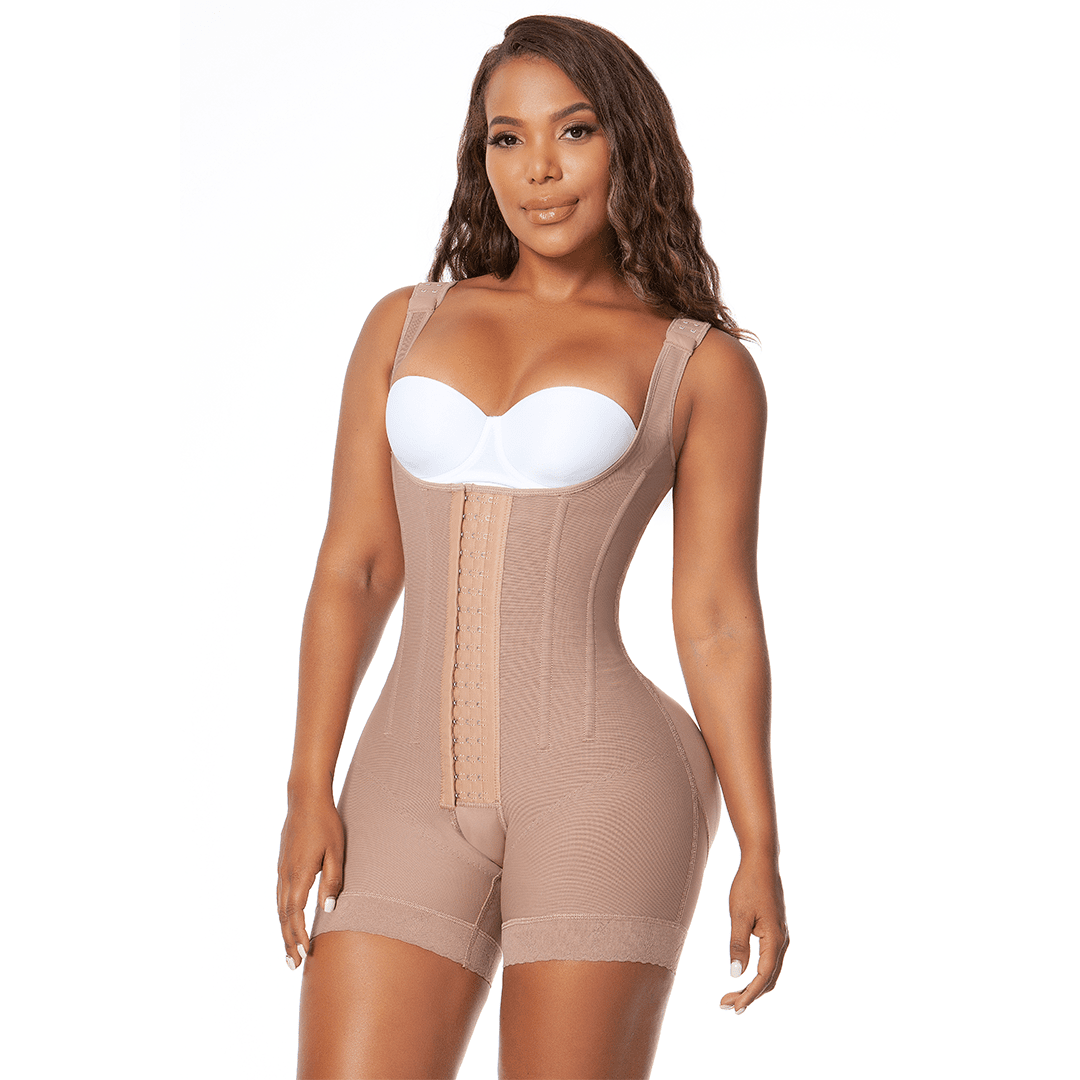
Compression garments are designed to provide gentle, even support around the abdomen and lower back. Healthcare providers may recommend them following certain deliveries or procedures, depending on the individual's needs.
Many mothers choose postpartum support garments because they may help provide:
- Gentle abdominal support
- A feeling of stability during everyday movement
- Comfortable support while walking or caring for a newborn
- Confidence during the early recovery period
Compression garments should fit comfortably without feeling restrictive.
At The Pink Room Shapewear & Wellness, our carefully selected postpartum compression garments are designed with breathable fabrics, flexible support, and comfort in mind, helping mothers feel supported throughout their recovery journey.
Wearable Technology and the New Generation of Postpartum Wellness
Today's mothers are increasingly incorporating wearable technology into their wellness routines during the fourth trimester.
Devices such as smart rings and fitness trackers allow users to monitor personal wellness metrics, including:
- Sleep duration
- Resting heart rate
- Skin temperature trends
- Daily movement
- Activity levels
Rather than replacing medical care, these devices can help mothers observe changes in their routines and better understand how sleep, activity, and rest evolve during the postpartum period.
Many wearable devices also encourage gentle movement goals and mindfulness features that align with the broader focus on recovery and self-care.
As always, wearable technology should be viewed as a wellness tool rather than a diagnostic device, and any concerns about recovery should be discussed with a healthcare professional.

Choosing Postpartum Recovery Essentials
Preparing for the fourth trimester can help new mothers feel more confident before delivery.
Popular postpartum essentials include:
- Postpartum compression garments
- Nursing bras
- Recovery underwear
- Perineal care products
- Support pillows
- Comfortable sleepwear
- Hydration bottles
- Gentle skincare products approved for postpartum use
Selecting comfortable, well-fitting recovery garments can make everyday activities feel more manageable while supporting the recommendations of your healthcare team.
Why The Pink Room Shapewear & Wellness Supports Every Recovery Journey
Every mother's recovery story is different.
At The Pink Room Shapewear & Wellness, we believe postpartum care should focus on comfort, confidence, and informed support, not unrealistic expectations.
Our postpartum collection includes thoughtfully selected recovery garments designed to complement your healthcare provider's recommendations while helping you feel supported throughout the fourth trimester.
Whether you're preparing for delivery or shopping after your baby arrives, we're here to help you find products that fit your body, your lifestyle, and your recovery goals.
Frequently Asked Questions
How long is the fourth trimester?
The fourth trimester generally refers to the first 12 weeks after childbirth, though recovery timelines vary for every individual.
Should I wear a postpartum compression garment?
Postpartum support garments are recommended based on individual needs and the type of delivery. Follow the guidance of your healthcare provider regarding whether compression is appropriate for you.
Can pelvic floor physical therapy help after childbirth?
Pelvic floor physical therapy is commonly recommended for some postpartum patients to support rehabilitation and improve muscle coordination. Your healthcare provider can advise whether it is appropriate for your recovery.
Are wearable fitness trackers useful after pregnancy?
Many women use wearable devices to monitor sleep, activity, and wellness trends during the postpartum period. These devices are intended for personal wellness tracking and are not a substitute for medical evaluation.

Final Thoughts
The fourth trimester is a season of healing, adjustment, and learning. While every postpartum journey is different, understanding what to expect can help new mothers approach recovery with greater confidence and realistic expectations.
Supportive practices such as prioritizing rest, following your healthcare provider's guidance, considering pelvic floor rehabilitation when appropriate, and choosing comfortable postpartum recovery garments, can all play a role in helping mothers navigate this important stage.
At The Pink Room Shapewear & Wellness, we're honored to support women through every stage of motherhood with thoughtfully selected postpartum garments designed for comfort, confidence, and everyday wellness.
