


Scar Healing After Cosmetic Surgery or a C-Section: What to Expect and How to Support Recovery

By The Pink Room Shapewear & Wellness
Whether you've recently undergone a cosmetic procedure such as a tummy tuck (abdominoplasty), breast lift (mastopexy), breast augmentation, liposuction, or a Cesarean section (C-section), understanding how scars heal can help you set realistic expectations and make informed decisions during recovery.
At The Pink Room Shapewear, we work with women and patients every day who are navigating the healing process after surgery. While every scar is unique, there are well-established stages of wound healing that most surgical scars follow.
This guide explains the scar healing process, what changes are normal, and how proper support, compression garments, and scar care may contribute to a smoother recovery.
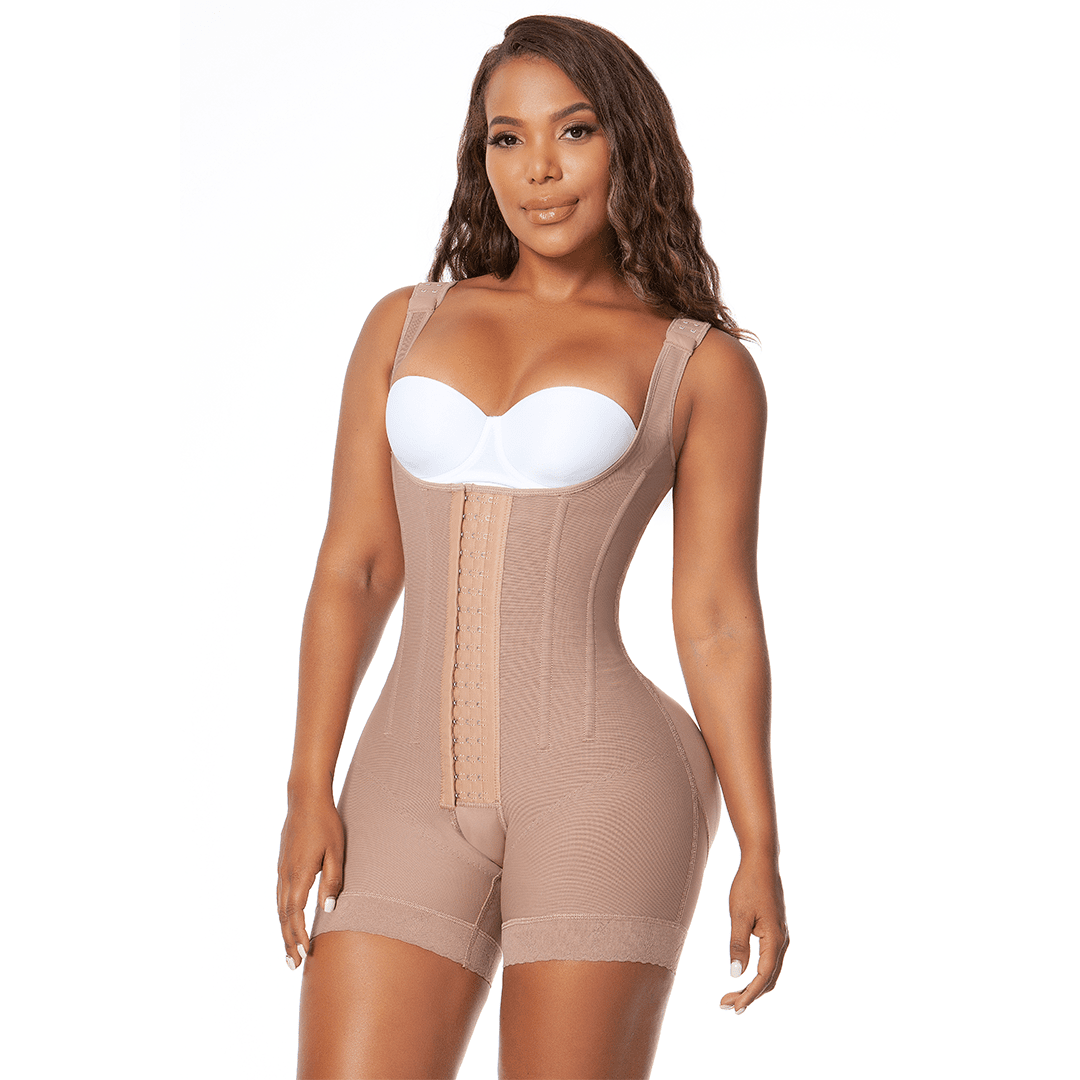
...wearing the right garment at each point in the healing process matters. The Pink Room offers post-surgical fajas by stage (Stage 1, 2 & 3) designed specifically to match the compression needs of each recovery phase.
Understanding Surgical Scars
A scar is the body's natural way of repairing skin and underlying tissue after an injury or surgical incision.
Whether your scar comes from:
• A C-section
• Tummy tuck surgery
• Breast lift (mastopexy)
• Breast augmentation
• Breast reduction
• Body contouring procedures
• Reconstructive surgery
The healing process follows similar biological stages.
It is important to remember that no two scars heal exactly the same way. Factors such as genetics, skin type, age, surgical technique, location of the incision, tension on the wound, and overall health can influence the final appearance of a scar.
The Three Main Stages of Scar Healing
1. Inflammatory Phase (Days 1–4)
Immediately after surgery, the body begins repairing the wound.
During this stage:
• Blood clotting occurs.
• The immune system helps prevent infection.
• Swelling, redness, and tenderness are common.
• The incision may appear raised or darker.
This is a normal part of the healing process and does not necessarily indicate a problem.
What to focus on:
• Follow your surgeon's instructions carefully.
• Keep the incision clean and protected.
• Avoid unnecessary tension or stretching around the incision.
2. Proliferative Phase (Up to 8 Weeks)
During this phase, the body actively produces collagen to rebuild tissue.
Many patients notice that the scar may:
• Become pink or red.
• Feel firmer.
• Appear thicker or slightly raised.
This stage often causes concern because the scar may temporarily look more noticeable than before. However, this is a normal part of healing.
What to focus on:
• Attend all follow-up appointments.
• Stay consistent with approved scar care recommendations.
• Maintain good hydration and nutrition.
• Wear post-surgical compression garments
3. Remodeling or Maturation Phase (Up to 12–24 Months)
This is the longest stage of healing.
During remodeling:
• Collagen fibers reorganize.
• The scar gradually flattens.
• Redness typically fades.
• The scar becomes softer and lighter.
Many surgical scars continue improving for one to two years after surgery.
Because healing continues long after the incision closes, patience is important.
What to focus on:
• Protect scars from excessive sun exposure.
• Continue recommended scar care.
• Monitor any significant changes and discuss concerns with your healthcare provider.

...compression level requirements change as healing progresses. Choosing the correct stage-specific compression garment for post-surgical recovery is one of the most impactful decisions a patient can make during this window.
Scar Healing After a C-Section
A Cesarean section is one of the most common surgeries performed worldwide.
Most C-section scars are placed low on the abdomen and typically heal well over time. During recovery, patients often experience:
• Mild swelling
• Tightness around the incision
• Temporary numbness
• Changes in skin sensitivity
Many women find that gentle support garments approved by their healthcare provider help them feel more comfortable during daily activities while the body heals.
C-Section Recovery Tips
• Avoid lifting heavy objects unless cleared by your physician.
• Follow activity restrictions.
• Stay hydrated.
• Prioritize protein-rich nutrition.
• Protect the incision from direct sunlight.
Scar Healing After Cosmetic Surgery
Procedures such as tummy tucks, breast lifts, breast reductions, and body contouring surgeries involve longer incisions that require time to mature.
The appearance of a scar during the first few months does not predict the final result.
For example:
Tummy Tuck (Abdominoplasty)
A lower abdominal scar may initially appear pink or raised before gradually softening and fading.
Breast Lift (Mastopexy)
Scars around the areola and lower breast typically go through the same healing stages and often improve significantly over time.
Breast Augmentation via Axillary Incision
Scars placed in the underarm area may be less visible but still require proper healing and monitoring.

How Compression Garments May Support Recovery
Compression garments are commonly recommended by surgeons following many cosmetic procedures.
While compression garments do not eliminate scars, they may help support the recovery process by:
• Providing gentle support to healing tissues.
• Helping manage post-operative swelling.
• Promoting patient comfort during movement.
• Assisting with stabilization of treated areas.
At The Pink Room Shapewear, we specialize in post-surgical compression garments, including solutions for:
• Tummy tuck recovery
• Liposuction recovery
• BBL recovery
• Breast surgery recovery
• C-section support
• Mastectomy and reconstruction recovery
Always use compression garments according to your surgeon's recommendations.
Daily Habits That Can Support Scar Healing
Protect the Scar From the Sun
Excessive UV exposure may cause scars to darken or become more noticeable.
Keep Skin Hydrated
Well-hydrated skin may tolerate healing and scar management routines more comfortably.
Follow Your Post-Procedure Instructions
The first weeks after surgery are critical. Consistency matters.
Avoid Excessive Tension
Too much stretching or stress on the incision may affect how the scar develops, that is why compression garments are very important.
Monitor Changes
If you notice unusual redness, increasing pain, drainage, or other concerning symptoms, contact your healthcare provider.

Common Questions About Surgical Scars
How long does it take for a surgical scar to fade?
Most scars continue maturing for 12 to 24 months after surgery.
Is it normal for a scar to become red before it improves?
Yes. During the proliferative phase, scars often appear redder and more noticeable before gradually fading.
Can compression garments remove scars?
No. Compression garments do not remove scars, but they may help support the skin and reduce tension on a healing wound, which can affect how the scar develops.
Will my scar completely disappear?
Most surgical scars improve significantly over time, but a scar usually does not disappear entirely.
The Bottom Line
Scar healing is a gradual process that unfolds over months, not weeks.
Every scar has a stage, and every stage requires patience, consistency, and realistic expectations. Whether you are recovering from a C-section, tummy tuck, breast surgery, or another cosmetic procedure, understanding the normal healing process can help you feel more confident during recovery.
At The Pink Room Shapewear & Wellness, we are committed to educating patients and helping them find the right post-surgical support garments for their recovery journey.
Looking for Post-Surgical Compression Garments?
The Pink Room Shapewear offers professional fitting services and a curated selection of post-surgical compression garments designed for recovery after:
• Tummy Tuck Surgery
• Liposuction
• BBL Procedures
• C-Section Recovery
• Breast Surgery
• Mastectomy Reconstruction
• Body Contouring Procedures
Contact The Pink Room Shapewear to learn more about finding the right garment for your stage of recovery.
At The Pink Room Shapewear, you can explore the full selection of fajas by recovery stage — Stage 1, 2 and 3 to find the garment that aligns with where you are in your healing journey.
