


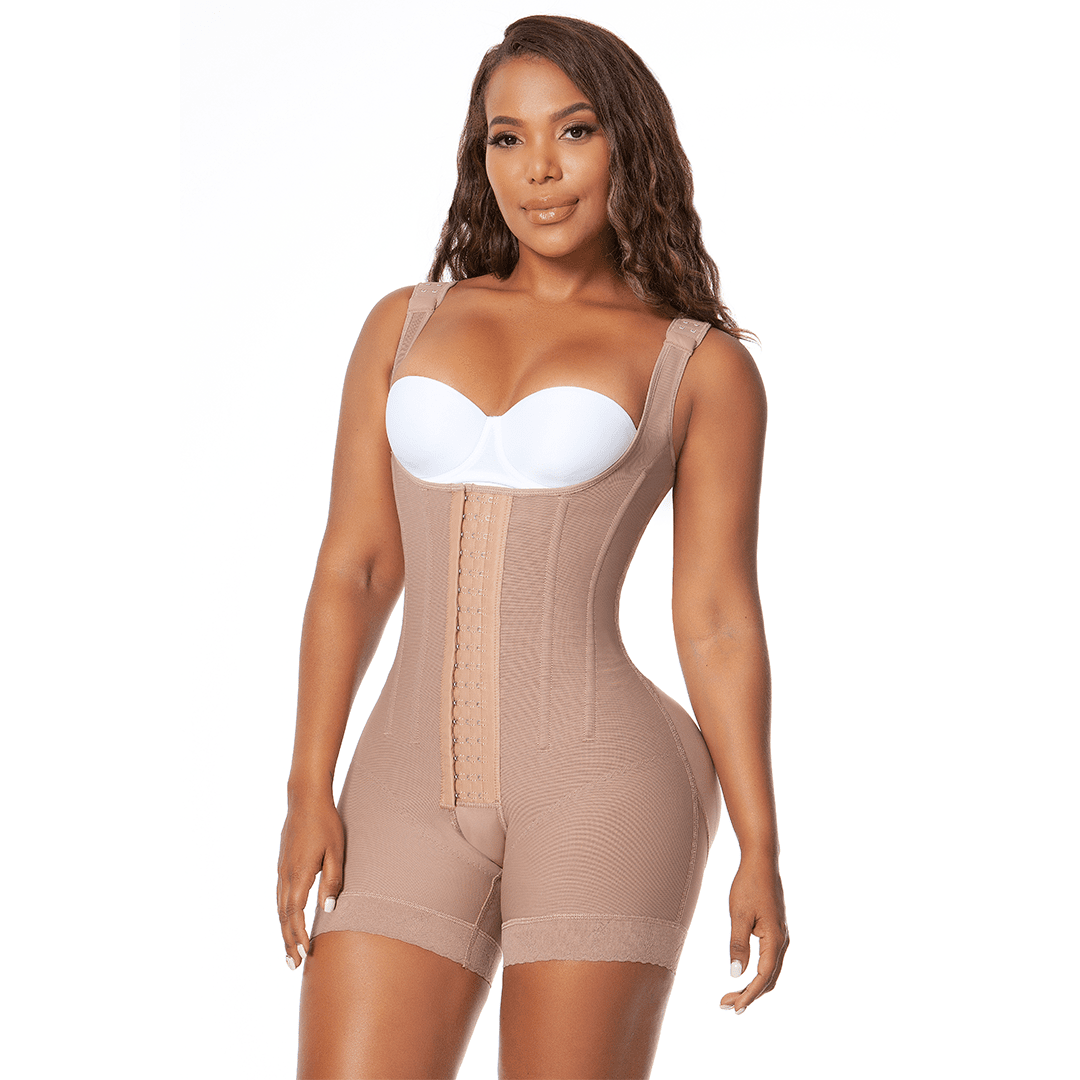
Compression Garment After Lipo Surgery: The Complete Buyer’s Guide for Faster Recovery and Better Results

Liposuction reshapes your body.
But compression protects your results.
If you want less swelling, smoother contours, and a faster, more controlled recovery, choosing the right compression garment after lipo surgery is not optional—it's part of the healing process.
This guide explains:
-
What garment to wear first
-
When to switch stages
-
How long to wear each one
-
How price, material, and quality affect recovery
-
Which options offer real medical-grade support
Let’s break it down clearly.
Why a Compression Garment After Lipo Surgery Is Essential
After liposuction, your body goes through inflammation, fluid shifts, and tissue remodeling. Skin needs to reattach evenly to the treated areas.
A proper compression garment helps:
-
Reduce swelling
-
Improve circulation
-
Prevent fluid buildup (seromas)
-
Minimize fibrosis
-
Support smooth contour healing
Without structured compression, recovery can be slower and less predictable.
What Does a Compression Garment Do After Liposuction?
A high-quality post-lipo compression garment helps to:
-
Apply consistent medical pressure
-
Improve lymphatic drainage
-
Stabilize tissues during healing
-
Reduce discomfort
-
Enhance contour definition
A compression garment after liposuction reduces swelling, supports tissue healing, prevents fluid accumulation, and improves final contour results during recovery.
How Compression Garments Improve Liposuction Results
The first 6–8 weeks after surgery determine how smooth your final outcome will look.
Compression:
-
Helps skin adhere evenly
-
Reduces prolonged swelling
-
Prevents contour irregularities
-
Supports internal collagen remodeling
Most surgeons recommend wearing compression 24/7 during the first 2–3 weeks.
Consistency protects your investment.
Types of Compression Garments After Lipo Surgery
Recovery happens in phases. Your garment should evolve with your body.
There are three main stages:
-
Stage 1 – Immediate Post-Surgery
-
Stage 2 – Contour Refinement
-
Stage 3 – Long-Term Sculpting & Maintenance

Stage 1 Compression Garments (Immediate Post-Surgery)
Timeframe: Week 0–3
This is your highest swelling phase. Tissues are adjusting internally, and fluid retention is at its peak.
At The Pink Room Shapewear, two key Stage 1 options include:
BlueBalance Post-Surgical Compression Garment
BlueBalance features patented compression technology designed to provide structured, uniform pressure without restricting movement.
It is made with high-performance medical-grade fabric that:
-
Improves circulation
-
Enhances lymphatic drainage
-
Reduces inflammation more efficiently
-
Maintains compression integrity over time
-
Supports faster tissue stabilization
The breathable yet firm material helps maintain consistent support throughout the day.
Best for:
-
Moderate to extensive liposuction
-
Abdominal or multi-area procedures
-
Patients seeking premium early-stage support
BlueBalance uses patented medical-grade compression fabric designed to improve circulation, control swelling, and support faster post-liposuction recovery.
Gentle Recovery Support Shapewear—First Stage (Post Surgery Light Compression)
This lighter option is ideal for:
-
Mild procedures
-
Sensitive patients
-
Early inflammation comfort
It provides:
-
Soft internal lining
-
Flexible stabilization
-
Gentle medical compression
Stage 1 garments are typically worn 24 hours per day during the first 2–3 weeks.
Stage 2 Compression Garments (Ongoing Recovery)
Timeframe: Week 3–8
Swelling decreases, but internal healing continues.
Stage 2 garments provide:
-
Moderate compression
-
Sculpted contour support
-
Better daily comfort
-
Continued swelling control
Goal: shape refinement and stabilization.
Wear 12–20 hours daily.
Switching too early from Stage 1 can increase swelling—timing matters.
Stage 3 Compression Garments (Long-Term Sculpting & Maintenance)
Timeframe: Month 2–4 (Optional but Recommended)
By month two:
-
Swelling is significantly reduced
-
Collagen remodeling continues
-
Contours are stabilizing
Stage 3 garments offer lighter compression for:
-
Long-term contour support
-
Waist sculpting
-
Daytime shaping
Not mandatory for everyone, but helpful for patients seeking maximum definition.
Complete Recovery Timeline
| Stage | Timeframe | Compression Level | Purpose |
|---|---|---|---|
| Stage 1 | Week 0–3 | Light to High | Swelling control |
| Stage 2 | Week 3–8 | Moderate | Shape refinement |
| Stage 3 | Month 2–4 | Light–Moderate | Long-term sculpting |

Compression Garment After Lipo Surgery for Waist and Flanks
Look for:
-
High-waisted support
-
Reinforced abdominal panels
-
Adjustable straps
-
Open gusset
Avoid rolling fabric—uneven pressure affects contour.
Compression Garment After Lipo Surgery for Thighs
Choose:
-
Mid-thigh or knee-length coverage
-
Anti-roll grip
-
Breathable but firm fabric
Thigh areas are prone to swelling—structured compression prevents waviness.
Compression Garment After Lipo Surgery for Arms
Arm sleeves should:
-
Provide uniform compression
-
Avoid restricting circulation
-
Stay secure without rolling
Proper compression improves arm contour definition.
How Long Should You Wear a Compression Garment After Lipo Surgery?
General Timeline (Always Follow Your Surgeon’s Advice)
-
Weeks 1–3: 24 hours daily
-
Weeks 4–6: 12–20 hours daily
-
Weeks 6–8+: Based on healing
Most patients wear compression garments full-time for 2–3 weeks and part-time for up to 8 weeks after liposuction.
How Tight Should a Compression Garment Be After Liposuction?
It should feel:
-
Snug
-
Supportive
-
Firm
It should NOT:
-
Cause numbness
-
Restrict breathing
-
Leave deep grooves
-
Cause sharp pain
Pain usually means incorrect sizing—not better results.
Key Features to Look for When Buying a Compression Garment After Lipo Surgery
-
Medical-grade compression
-
Durable stitching
-
Breathable materials
-
Adjustable closures
-
Hypoallergenic lining
-
Long-lasting elasticity
Cheap fabric loses compression quickly—and inconsistent pressure affects healing.
Common Mistakes When Choosing a Compression Garment After Lipo Surgery
-
Buying regular shapewear
-
Guessing size
-
Removing it too often early on
-
Switching stages too soon
-
Choosing based only on appearance
Recovery is structured healing, not fashion.
Compression Garment After Lipo Surgery vs. Regular Shapewear
| Feature | Compression Garment | Regular Shapewear |
| Medical-grade compression | Yes | No |
| Post-surgical safety | Yes | No |
| Swelling control | Yes | No |
| Surgeon-recommended | Yes | No |
If your goal is recovery and results, shapewear is not enough.
Price, Quality & Manufacturing Comparison
| Brand | Price Range | Quality | Medical Grade | Main Materials | Made In |
| The Pink Room Shapewear | $60–$180 | High | ✅ Yes | Patented powernet, high-elastic sculpting fabric | USA |
| Marena | $130–$200 | Premium | ✅ Yes | Patented microfiber | USA |
| Gabrialla | $50–$110 | Mid-High | ✅ Yes | Breathable elastic fabric | USA |
| Shapellx | $80–$120 | Moderate | ⚠️ Not clinical first | Nylon / spandex blend | China |
Under $60 → Usually not medical-grade.
$120–$200 → Stronger durability and pressure consistency.
Country of manufacture often affects stitching quality and long-term elasticity.
Can Wearing the Right Compression Garment Increase Satisfaction After Liposuction?
Yes.
Patients who follow structured compression protocols often experience:
-
Faster visible results
-
Less swelling duration
-
Smoother contour
-
Higher satisfaction
Compression doesn’t replace surgical skill; it protects the outcome.
How to Care for Your Compression Garment
-
Wash daily (gentle cycle)
-
Use mild detergent
-
Avoid high-heat drying
-
Own at least two garments per stage
-
Replace if elasticity weakens
Clean garments support healthy recovery.
FAQs About Compression Garments After Lipo Surgery
Is it normal to feel uncomfortable at first?
Yes. Mild discomfort is expected during the first few days.
Can I sleep in my compression garment?
Yes. Most surgeons recommend 24/7 wear during early recovery.
Should I wear foam boards with my garment?
Only if prescribed by your surgeon. Foam boards may help reduce fibrosis in specific cases..
Final Thought
Liposuction creates the shape.
Compression protects it.
Wear the right garment.
Switch at the right time.
Stay consistent.
Because great results don’t just happen in surgery they’re secured during recovery.
