


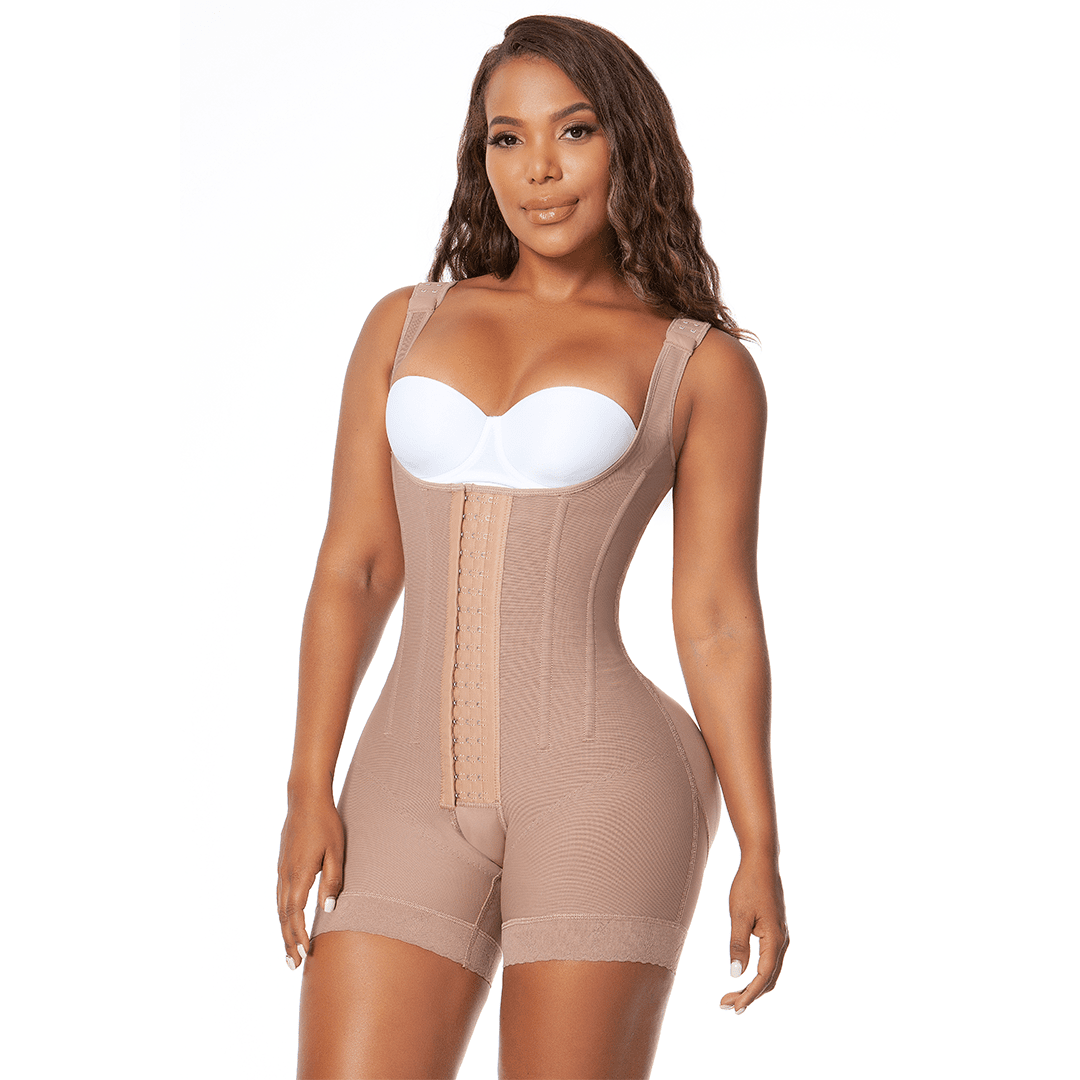
Faja Stages After Surgery: A Complete Guide to Stage 1, 2 & 3 Compression Garments
If you've had a cosmetic procedure like liposuction, a tummy tuck, or a BBL (Brazilian Butt Lift), your surgeon has probably already mentioned that you'll need a post-surgical faja, but did you know that most patients actually go through three different compression stages during recovery, not just one?
Understanding the difference between a Stage 1, Stage 2, and Stage 3 faja can make your recovery more comfortable and help you choose the right garment at the right time. In this guide, we break down what each stage means, how long it typically lasts, and what to look for when shopping for post-surgical compression wear.
Note: This article is for general educational purposes only. Compression needs vary by procedure, surgeon, and individual healing process. Always follow your surgeon's specific post-operative instructions and check with them before changing garments or compression levels.
Why Post-Surgical Fajas Are Different From Everyday Shapewear
A post-surgical faja isn't the same thing as the shapewear you'd wear under a dress for a night out. Post-surgical compression garments are built with graduated compression, reinforced seams, and closures (like hooks or zippers) that make them easier to put on during recovery, when mobility is limited and swelling is unpredictable.
Compression garments are commonly used after procedures such as:
- Liposuction
- Tummy tucks (abdominoplasty)
- BBL (Brazilian Butt Lift)
- Breast augmentation, lift, or reduction
- Arm lifts (brachioplasty)
Most surgeons recommend compression garments because they may help support the treated area, reduce discomfort from swelling, and offer a sense of stability while tissue heals, but individual results and needs vary, and your own surgeon's guidance always takes priority over general information like this.
Stage 1: First Use, Light Compression
When: Immediately after surgery, during the first days of recovery
Compression level: Light
The first garment you wear after your procedure is typically a Stage 1 faja, designed with soft, light compression. This stage prioritizes comfort over intensity, since the treated area is at its most sensitive and swelling is usually at its peak in these early days.
Common features of a Stage 1 garment include:
- Soft, stretchy fabric that's gentle on healing skin
- Front closures or adjustable hooks that make dressing easier without much movement
- A looser fit that accommodates fluctuating swelling
- Coverage designed around incision sites without added pressure
Because your body is changing quickly during this period, many patients find that a Stage 1 garment with adjustable closures helps it stay comfortable even as swelling shifts day to day.

Stage 2: Ongoing Recovery, Medium-High Compression (Up to Roughly 4–6 Months)
When: After the initial recovery period, generally continuing until around month 4 to 6 Compression level: Medium to high
As swelling starts to subside, patients transition into a Stage 2 faja. This garment offers a firmer, more structured level of compression than Stage 1, and is generally worn for a longer stretch of the recovery timeline, often until somewhere between four and six months post-op, depending on the procedure and your surgeon's recommendation.
What tends to set Stage 2 garments apart:
- Medium-to-high compression panels that offer more structure than Stage 1
- Reinforced fabric, often with sculpting panels
- Continued support for the treated area as tissues continue to settle
- Designed for extended daily wear as you return to normal activities
This stage is often described as the "bridge" between the acute recovery period and longer-term shaping, since your body is still adjusting but you're generally more mobile and active than in the first days after surgery.

Stage 3: Long-Term Use, Ultra-Firm Compression With Waist Boning (6+ Months)
When: From around 6 months post-op onward
Compression level: Ultra-firm
By the time most patients reach the six-month mark, they're often ready for a Stage 3 faja, the firmest compression level in the post-surgical lineup. Stage 3 garments are typically built with flexible boning around the waist, similar to a corset structure, which offers more defined, structured support than the stretch panels used in Stages 1 and 2.
Typical Stage 3 features include:
- Ultra-firm compression fabric
- Boning (flexible steel or plastic strips) positioned around the waist for structured support
- A more fitted, shaping silhouette
- Designed for long-term, everyday wear
At this stage, many patients are using their faja less for active recovery and more for ongoing support and body shaping as part of daily wear. It's worth noting that boned, ultra-firm garments should generally not be introduced earlier in recovery, that level of rigid compression is intended for tissue that has had significantly more time to heal.

Faja Stages at a Glance
|
Stage |
Typical Timeline |
Compression Level |
Key Feature |
|
Stage 1 |
First days after surgery |
Light |
Soft, adjustable, gentle on healing skin |
|
Stage 2 |
Through roughly 4–6 months |
Medium to high |
Sculpting panels, extended daily wear |
|
Stage 3 |
From roughly 6 months onward |
Ultra-firm |
Waist boning, structured shaping |
Frequently Asked Questions
Do I have to use all three stages? Every recovery is different. Some patients move through all three stages, while others follow a different timeline based on their procedure and surgeon's recommendation.
Can I skip straight to Stage 3? This is generally not recommended. Ultra-firm compression and boning are designed for tissue that's had significant time to heal, introducing that level of rigidity too early may feel uncomfortable or counterproductive before your body is ready for it.
How do I know when to move to the next stage? Timelines in this article are general guidelines based on common recovery patterns, not a fixed prescription. The right time to transition between stages depends on your procedure, your individual healing, and your surgeon's specific instructions.
Can I wear a Stage 3 faja even if I haven't had surgery? Yes, many people wear firm, structured compression garments simply for everyday shaping or waist support, without any surgical history. If you have any underlying health conditions, it's a good idea to check with a doctor before wearing very firm compression regularly.
Finding the Right Faja for Your Stage
Choosing the right compression garment at each stage of recovery is about matching the fabric, structure, and fit to what your body needs at that moment, soft and gentle at first, more supportive as you heal, and structured for the long term once your tissue is ready. If you're not sure which stage is right for you, your plastic surgeon or a knowledgeable garment specialist can help you find the right fit for where you are in your recovery.
Always consult your surgeon before selecting compression garments after a cosmetic procedure. This article does not replace personalized medical advice.
