


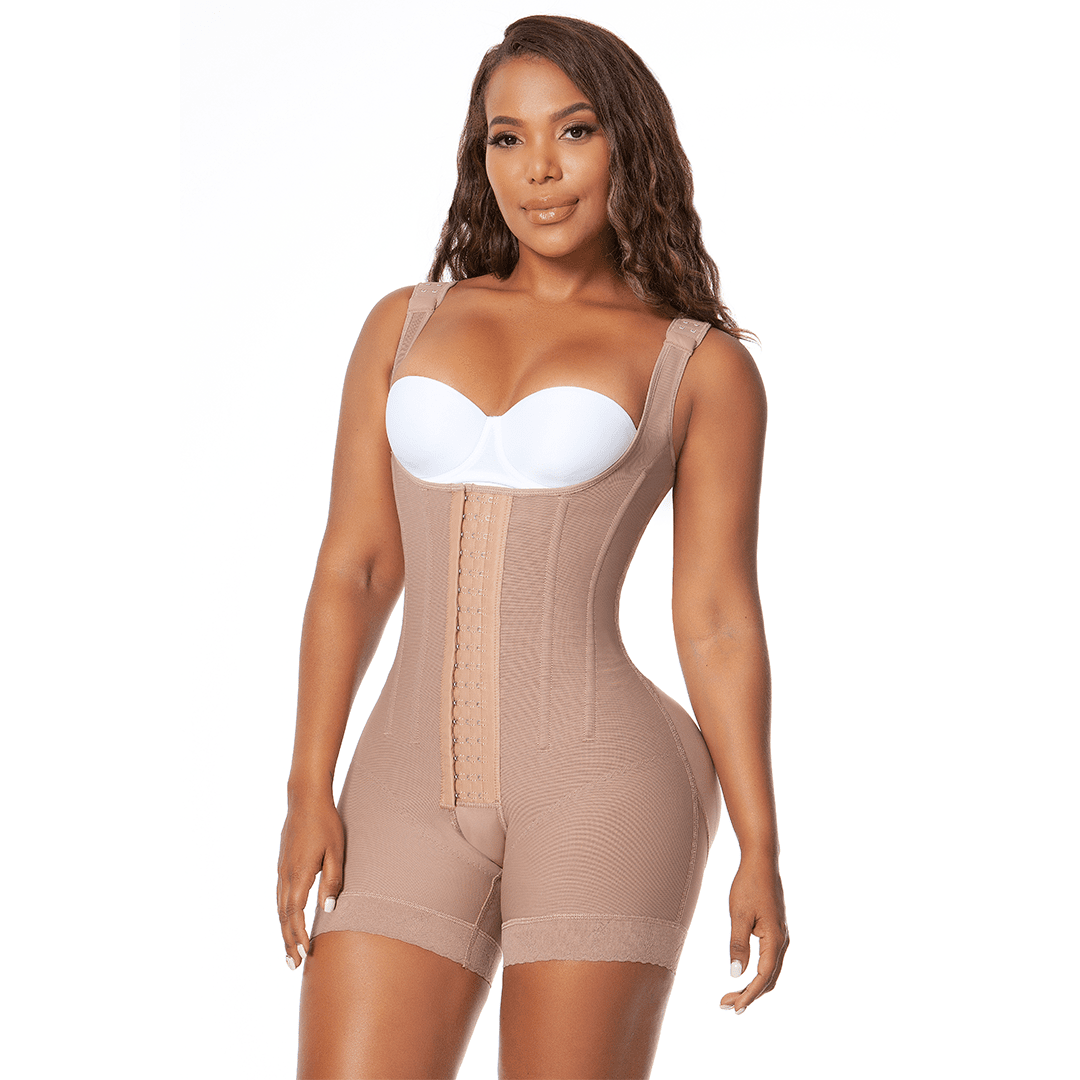
The Medical and Recovery Benefits of Post-Surgical Compression Garments: A Complete Guide
Post-Surgery Compression Garments: The Essential Guide to Faster Healing, Better Support, and Effective Recovery

Recovering from cosmetic or reconstructive surgery is just as important as the procedure itself. This is why post-surgical compression garments (known in Spanish as fajas postquirúrgicas) play a crucial medical role in reducing swelling, supporting tissue healing, and protecting long-term results.
What Are Post-Surgical Compression Garments?
Post-surgical compression garments are medical-grade pieces designed specifically for recovery after procedures such as liposuction, tummy tuck, BBL, breast augmentation, arm lift, and more. Unlike everyday shapewear, these garments are engineered to control inflammation, stabilize healing tissues, improve circulation, and enhance surgical outcomes.
Key Benefits
-
Reducing inflammation
-
Controlling swelling
-
Preventing fluid retention
-
Supporting tissues and muscles
-
Enhancing surgical results
Common features include:
-
Multi-level adjustable hooks
-
Zippers for easy wear
-
Breathable and antibacterial fabrics
-
Targeted compression zones
-
Seamless construction to avoid irritation

Why Compression Is Essential After Surgery
Proper medical compression accelerates healing and helps prevent complications like excessive swelling and seromas.
Controlling and Minimizing Swelling
Consistent pressure helps reduce inflammation and encourages fluid drainage
Preventing and Reducing Seromas
Compression keeps tissues adhered, reducing the risk of fluid pockets forming beneath the skin.
Supporting Muscles and Tissues During Healing
The garment acts as a stabilizing layer that protects newly operated areas.
Improving Circulation and Speeding Up Recovery
Preventing Blood Clots
Gentle compression promotes healthy blood flow, reducing clot risks during early recovery.
Enhancing Lymphatic Drainage
It helps fluids move efficiently through the lymphatic system, speeding up the reduction of swelling.
Sculpting and Enhancing Surgical Results
Maintaining Surgical Contours
Crucial for liposuction and BBL, compression helps preserve the shape your surgeon created.
Improving Skin Retraction
It encourages the skin to adhere smoothly to the new contours.
Preventing Wrinkles, Folds, and Tissue Irregularities
Consistent pressure avoids creases and irregularities that could affect the final result.
Reducing Pain and Discomfort After Surgery
Stabilizing Movement
Compression limits sudden movements that may cause discomfort.
Reducing Pressure on Incisions
It distributes tension evenly to promote healthy healing.
👉 See which post-surgical garment models offer the best support for your type of procedure.
Emotional and Psychological Benefits of Post-Surgical Compression Garments
Feeling Secure During Recovery
The sense of support increases comfort and confidence when moving during the first days.
Boosting Confidence in Early Stages of Healing
Seeing less swelling and more stability helps patients feel positive about their progress.
Long-Term Benefits for Surgical Results
Preventing Scar Tissue Irregularities
Compression helps tissues heal evenly, reducing the chance of hard lumps or uneven scarring.
Encouraging Better Posture
Many garments naturally support proper posture, especially after abdominal procedures.
Maintaining Body Shape Long After Recovery
Long-term use can help preserve the contour achieved through surgery.
Choosing the Right Post-Surgical Compression Garment
Features to Look For
-
Graduated compression
-
Seamless or low-friction construction
-
Antibacterial, breathable materials
-
Adjustable hooks or zippers
Selecting the Correct Size
Choosing the right size is critical. A garment that is too tight can cause harm, while one too loose won’t offer necessary support. Always measure waist, hips, and torso according to the manufacturer's sizing chart.
How Long Should You Wear Post-Surgical Compression Garments?
Most surgeons recommend 6 to 12 weeks, adjusting compression levels as recovery progresses. Early stages typically require 24/7 wear, while later phases may allow daytime-only use.
